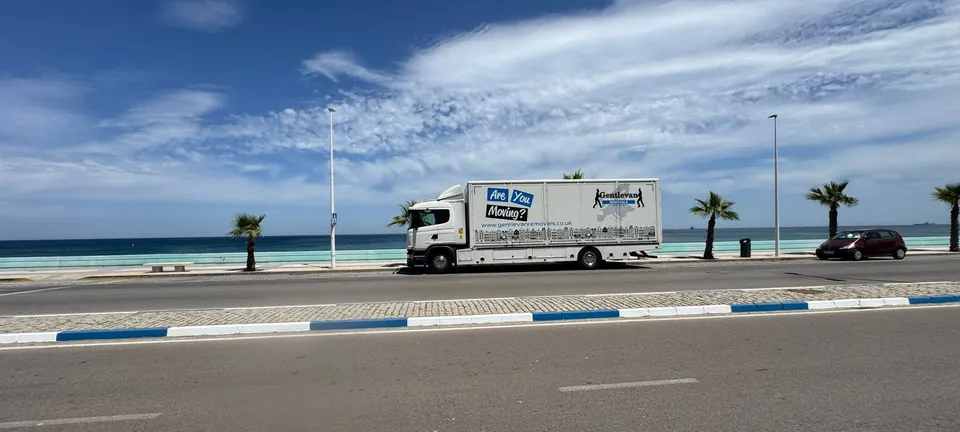
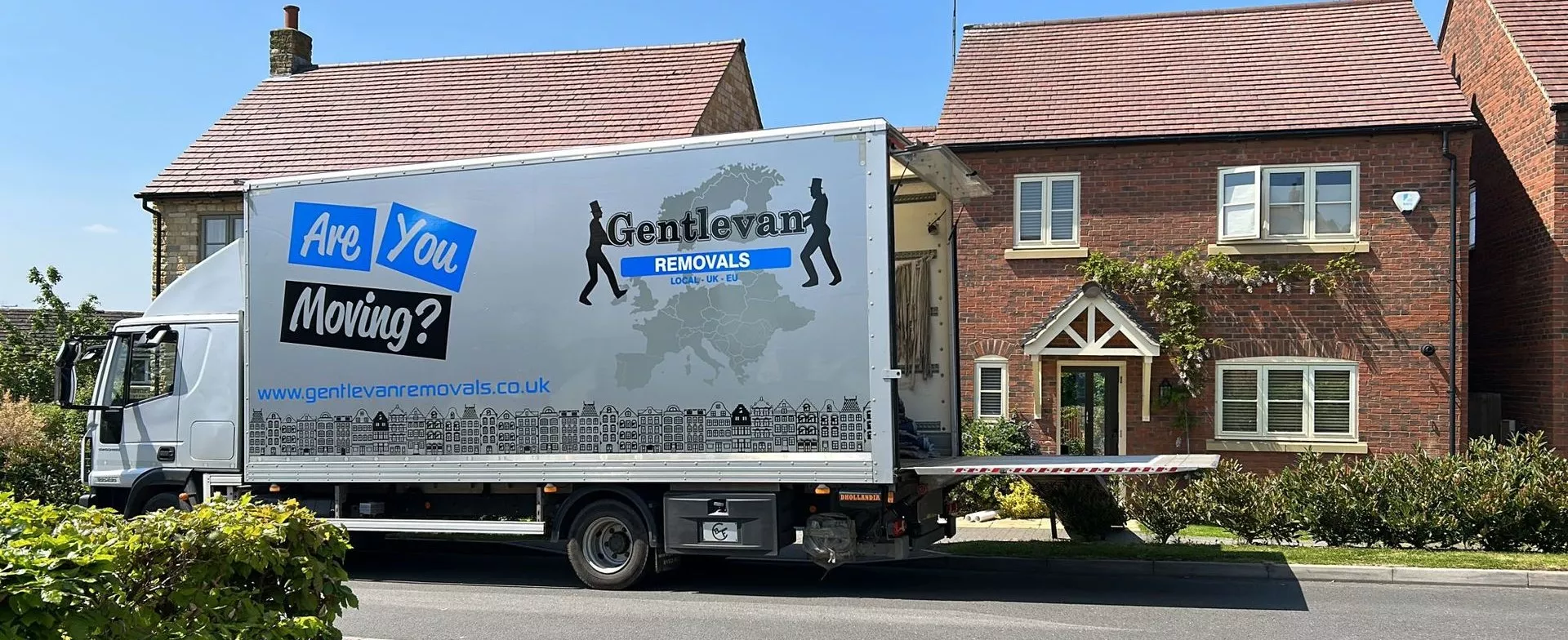
2 months FREE UK storage included with every European move — useful while you wait for your Marbella keys.
Get a quote
Post-Brexit Visa Requirements for UK Citizens (2026)
Post-Brexit, UK citizens can no longer stay in Spain longer than 90 days in any 180-day period without a long-stay visa. To live in Marbella permanently, you'll need to apply for the appropriate Spanish visa via the Spanish Consulate in London or Manchester before you travel.
Main visa routes in 2026
- Non-Lucrative Visa — for retirees and those with passive income (rental, pension, investments). Requires proof of income around €30,000+ per year for a single applicant, plus dependants. No work in Spain allowed.
- Digital Nomad Visa — introduced 2023, ideal for remote workers employed by non-Spanish companies. Lower income thresholds and a generous tax regime for the first four years.
- Work Visa — requires a Spanish job offer. Generally harder to obtain unless you have specialist skills.
- Student Visa — for those enrolled at a recognised Spanish institution. Includes limited work rights.
- Family Reunification — if you have a Spanish or EU citizen spouse or close relative.
Important update on the Golden Visa: Spain's Golden Visa programme (investor visa via property purchase) was abolished in April 2025. If you read older guides referencing this route, it's no longer available. For high-net-worth movers, the Non-Lucrative or Digital Nomad routes are now the main options.
Other essential documents
- Proof of permanent address in Spain (lease contract, deed, or hosting certificate)
- NIE (Número de Identificación de Extranjero) — your foreigner ID number, required for nearly every transaction
- TIE (Tarjeta de Identidad de Extranjero) — foreigner ID card, issued once your residency is approved
- Private health insurance covering Spain (required for visa application; can be downgraded once you're in the public system)
- Proof of income, employment contract, or pension statements
- Empadronamiento (registration with the local Marbella town hall) within 3 months of arrival
- Spanish bank account — required for utilities, rent and most direct debits
Spain's bureaucracy is famously slow. Start your visa application 3–6 months before you plan to move, not weeks. See our full guide to removals from the UK to Spain for a complete planning checklist.
How Much Does It Cost to Move from the UK to Marbella?
One of the most common questions we get from prospective Marbella movers. Removal costs depend on the volume of your shipment (measured at survey in cubic feet), your destination on the Costa del Sol, and the service tier you choose. Here are realistic 2026 price ranges that match our Spain service page:
| Move size |
Service type |
Price range (GBP) |
| Part-load (1–2 rooms) | Part-load | £1,200 – £3,000 |
| 1–2 bed household | Part-load or shared-load | £2,500 – £4,500 |
| 3-bed family home | Shared-load or dedicated | £4,000 – £7,000 |
| 4+ bed home | Dedicated vehicle | £6,500 – £10,000+ |
Prices include loading, transport, customs paperwork, Transfer of Residence (ToR) support, and delivery inside your Spanish home. Marbella sits at the upper end of these ranges as one of our longest Spanish routes — gated-community access can add complexity, so tell us early.
Get an accurate quote in 24 hours — we'll need your inventory, both addresses, and your preferred dates.
Best Neighbourhoods in Marbella
Marbella isn't one place — it's a long Costa del Sol municipality with neighbourhoods that range from billionaire-favourite gated estates to authentic Andalusian old town. Here's an honest rundown of the main areas British expats consider:
The Golden Mile
The most prestigious stretch of coast, running from Marbella town centre west toward Puerto Banús. Beachfront villas, five-star hotels, gated mansion estates. Suits high-net-worth movers wanting prestige, security and Marbella's most expensive properties. Rents start around €2,500/month for apartments; villas regularly €5,000+/month.
Nueva Andalucía
Just inland from Puerto Banús, built around several championship golf courses (the “Golf Valley”). Popular with British and Scandinavian families because of international schools, established expat community, and quieter family-friendly atmosphere than the seafront. Rents from around €1,200/month for apartments.
Puerto Banús
The marina district — superyachts, designer shops, lively nightlife. Glamorous but loud, especially in summer. Best for younger or party-loving movers; less ideal for retirees seeking peace. Apartment rents from €1,500/month.
San Pedro de Alcántara
West of Puerto Banús, recently regenerated with a beautiful palm-lined boulevard and beach promenade. More authentic Spanish feel than central Marbella, more affordable, and increasingly popular with families and retirees. Rents from around €900/month.
Elviria
East of Marbella town, a residential area known for its top international schools (Aloha College, English International College). Hilly, leafy, family-oriented. A practical choice for British families prioritising school catchment. Rents from around €1,100/month.
Benahavís
A hillside village inland from Marbella with several upscale gated developments (La Zagaleta is here — one of Europe's most exclusive estates). Suits those wanting privacy, views, and easy access to Marbella without living in the noise of the coast.
Estepona side
Technically the next municipality west, but increasingly chosen by Marbella-bound movers priced out of the centre. Much-improved “Garden of the Costa del Sol” with a charming old town and significantly more affordable property. Rents from around €700/month.
Marbella Old Town (Casco Antiguo)
The historic centre, with whitewashed streets and Orange Square. The most authentically Spanish neighbourhood, popular with those wanting culture over coast. Limited parking and narrow streets — ask your remover about access early.
Cost of Living: UK vs Marbella
Marbella is generally cheaper than London but pricier than rural UK regions. Here's an approximate comparison of typical monthly expenses:
| Item |
UK (London) |
Marbella |
| 2-bed apartment rent (central) | £2,400+ | £1,100 – £1,800 |
| Monthly groceries (couple) | £400 – £500 | £280 – £380 |
| Utilities (gas, electric, water) | £200 – £280 | £100 – £150 |
| Cappuccino (cafe) | £3.50 | £1.70 |
| Dinner for two (mid-range) | £60 – £80 | £35 – £55 |
| Petrol per litre | £1.45 | £1.30 |
| Local bus / tram ticket | £1.75 – £2.80 | £1.30 – £1.70 |
Figures approximate, based on early 2026 averages. Property prices vary significantly by neighbourhood (the Golden Mile is in a different league). For full cost-of-living context, see our cost of moving to Spain guide.
Economy and Job Market
The local economy in Marbella is primarily driven by the service, real estate, tourism and hospitality sectors, supported by the high disposable income of their markets. Together, these sectors account for nearly 60% of local jobs.
Other fields like trade, construction and agriculture are also active employers. However, short-term or seasonal employment opportunities typically come from the tourism and hospitality sectors. There's also a growing remote-work and digital-nomad economy — Marbella has invested in co-working spaces and high-speed internet to attract this market.
Wage and Benefits
The average gross salary in Marbella is around €28,000–€36,000 annually depending on sector (broadly €14–€18 per hour). High-end hospitality, luxury real estate and yacht industry roles pay considerably more. As a legal employee in Spain, you'll be eligible for the Social Security System — your payroll deductions contribute to healthcare, pensions, accident insurance, disability coverage and unemployment benefits.
Work Hours and Culture
Spain's standard working hours are 40 hours per week (maximum 48 hours or 9 hours per day). Compared to London or Madrid, Marbella has a more laid-back approach to work — longer lunch breaks, slower pace, real work-life balance.
English is widely understood in expat-heavy areas like Puerto Banús and the Golden Mile, but basic Spanish is essential for everyday life outside the bubble — especially with banks, utilities and local authorities. You can find job listings via RecruitSpain and ThinkSpain, or in the bilingual Sur in English and Olive Press publications.
Education
Marbella has one of Spain's strongest concentrations of international schools, including Aloha College, English International College, Laude San Pedro, Swans International School and British School of Marbella — most following the British, IB or Spanish curricula. Many British families choose Elviria or Nueva Andalucía specifically for school access.
Be aware that international school waiting lists can be long, especially for September starts. Apply 6–12 months ahead if possible. State schools are also free and increasingly bilingual (Spanish/English), and some expat families choose this route for easier integration and language acquisition.
Climate and Environment
Marbella has a Mediterranean climate with an average annual temperature of 17.3°C and around 320 days of sunshine per year. The warmest month is August (average 24.7°C, daytime highs regularly 30°C+); the coldest is January (average 11.2°C). January is the rainiest month, July the driest.
Marbella is also blessed with natural beauty. Its diverse wildlife and lush vegetation create the perfect backdrop for outdoor activities. Whether you're watching migratory birds on the Guadiaro estuary, hiking the Sierra Blanca trails, or surfing at Cabopino, Marbella offers a wealth of natural wonders to explore. Bear in mind: recent summers have brought drought conditions and water-use restrictions across Andalusia. Worth factoring into any property decision involving a pool or garden.
Housing
Rental costs in central Marbella are higher than in many Spanish cities — demand from international movers keeps prices firm. For cost-effectiveness, consider San Pedro de Alcántara, Estepona side, or the inland villages.
The town centre offers proximity to shops, restaurants and the beach, with rents from €800 to €1,500/month for apartments. The Golden Mile is the upscale beachfront strip — expect €1,500–€3,000/month for apartments and €5,000+/month for villas. Nueva Andalucía and San Pedro de Alcántara offer more relaxed pricing (€700–€1,500/month). Rural outskirts (Coin, Monda, Benahavís away from the gated estates) are cheaper still.
Buying is also popular among UK movers. Note that property purchase costs in Spain add 10–13% on top of the headline price (transfer tax, notary, registration, lawyer). Always use an English-speaking Spanish solicitor independent of the seller's agent.
Cost of Living: Quick Daily Reference
Beyond the comparison table above, here's a quick reference for everyday spending in Marbella in 2026:
- Cappuccino: €2.00
- One-way local transport ticket: €1.85
- McDonald's meal: €9.50
- Kilo of chicken fillet: €7.80
- Dozen eggs: €3.50
- Loaf of bread: €1.30
- Bottle of decent local red wine: €6.00
- Litre of milk: €1.10
Healthcare
Spain has a robust healthcare system that offers both public and private services. Once you're a legal resident with your TIE and registered for Social Security, you're entitled to free public healthcare.
Important post-Brexit changes for UK movers
- UK State Pension recipients can apply for an S1 form from the UK Department for Work and Pensions. This entitles you to free Spanish public healthcare paid by the UK government — a major advantage for retirees.
- UK GHIC (the successor to EHIC) covers emergency treatment only during the 90-day visa-free window. It is NOT a substitute for resident healthcare cover.
- For visa applications you'll need private health insurance covering Spain with no co-payments or exclusions — common policies include Sanitas, Adeslas and Mapfre.
- Private hospitals in Marbella are excellent — Hospital Quirónsalud Marbella, USP Marbella, and HC Marbella are widely used by the expat community. Many British residents keep private insurance even after gaining public access for faster consultant appointments.
Crime Rate
Marbella has a moderate crime rate, generally comparable to mid-sized UK cities. Most reported issues are opportunistic — vehicle break-ins, beach theft, and the occasional drug-related incident reported in the news. Violent crime against residents is rare. The city centre and major residential areas are safe to walk in at night, with daytime safety very high.
Worth noting: Marbella's long-standing association with high-profile organised crime cases tends to attract media attention disproportionate to actual day-to-day risk for residents. Most British expats report feeling safer in Marbella than in their previous UK location.
Disadvantages of Moving to Marbella
No city is perfect, even one with sunshine, beaches and good food. Here's an honest list of what to expect:
- Bureaucracy — Spain's administrative processes are slow, paperwork-heavy and frustrating, especially in your first year. Banks, utility setups, NIE applications, residency renewals: budget extra time and patience.
- Summer overcrowding — July and August transform Marbella. Population swells, traffic jams on the AP-7 are routine, restaurants are booked, beaches are crammed. Many long-term residents leave town in August.
- Traffic on the AP-7 and A-7 — the coastal motorway is a bottleneck. Rush hour can add 30–45 minutes to short journeys. Cycle infrastructure is improving but still patchy.
- Water restrictions — recent drought years have brought hosepipe bans and pool-filling restrictions. Plan for this if you're buying a property with a garden or pool.
- Gated-community insularity — many of the upscale developments are bubble worlds with little local integration. Easy to spend years in Marbella without speaking Spanish if you settle in one.
- International school waiting lists — popular schools (Aloha, English International) often have waiting lists for the in-demand year groups. Apply early.
- Language barrier outside the bubble — English is widely understood in expat areas, but anything bureaucratic (banks, government offices, healthcare admin) requires Spanish or a translator.
- Property scams — the rental market has long-standing issues with non-licensed agents and deposit disputes. Always use a licensed agent (registered with the Junta de Andalucía) and have a Spanish lawyer review contracts.
Frequently Asked Questions
Can British citizens still move to Marbella after Brexit?
Yes — but you'll need a long-stay visa if you plan to stay more than 90 days in any 180-day period. The most common routes are the Non-Lucrative Visa (for retirees and those with passive income), the Digital Nomad Visa (for remote workers), or a Work Visa with a Spanish employer. The Golden Visa investor route was abolished in April 2025.
How much does it cost to move from the UK to Marbella?
Prices range from approximately £1,200 for a small part-load up to £10,000+ for a 4+ bedroom dedicated move. Most 2–3 bedroom moves land between £2,500 and £7,000. Gated-community access can add complexity — tell your remover early.
Is Marbella expensive compared to other Spanish cities?
Generally yes — Marbella is one of the more expensive places in Spain to live, particularly for property in central or Golden Mile areas. Day-to-day costs (groceries, dining, utilities) are similar to other Spanish cities. Rents are 30–50% higher than comparable inland or northern Spanish cities, but typically half what you'd pay in central London.
What's the best area to live in Marbella for British families?
Nueva Andalucía and Elviria are the two strongest choices. Nueva Andalucía offers proximity to Puerto Banús with quieter family streets and golf-course living; Elviria is hillier and leafier, with several top international schools within walking or short driving distance. San Pedro de Alcántara is the more affordable family-friendly option.
Do I need to speak Spanish to live in Marbella?
You can manage daily life in expat-heavy areas (Golden Mile, Puerto Banús, Nueva Andalucía) with English only. But for genuine integration, dealing with bureaucracy, healthcare appointments outside private hospitals, and quality of social life beyond the British bubble, basic conversational Spanish significantly improves the experience. Most expats find their Spanish improves naturally once living there.
What about healthcare access for British retirees?
Once you're a legal Spanish resident with your TIE, you can register for the public health system. UK State Pension recipients can apply for the S1 form from the DWP, which entitles you to public Spanish healthcare paid for by the UK government. Many British retirees also maintain private insurance for faster consultant access.
How long does the removal from the UK to Marbella take?
Typically 7–14 days door-to-door depending on whether you're on a part-load (shared with other deliveries along the route) or a dedicated van. Direct dedicated moves can complete in 3–5 days. We run bi-weekly part-load routes to the Costa del Sol from our Oxfordshire base.
Hassle-Free Relocation to Marbella
Let Gentlevan Removals help with your smooth transition to Marbella. We offer reliable full or partial packing, door-to-door European transport, post-Brexit customs handling, and safe storage solutions — so you won't have to feel overwhelmed by the logistics of your move.
With over 15 years of professional service and deep experience in UK-to-Spain removals, you can rest assured that all your possessions are handled with care from collection to delivery. We run bi-weekly part-load routes to the Costa del Sol, with options for dedicated vehicles where access or timing requires it.
Already researching your move? Read our related guides: best cities to live in Spain, getting your NIE number, cost of moving to Spain, and how to move to Europe from the UK.
Ready to plan your move to Marbella?
✓ 15+ years moving British families to Spain and across Europe
✓ Bi-weekly Costa del Sol routes — part-load or dedicated
✓ Move Assured & AIM accredited — you're in safe hands
Get your free quote
Or call 01295 368198 to speak directly with our team