


Moving to France from the UK: What You Need to Know
Relocating to France offers an exciting opportunity to embrace a culture known for its slower pace of life, world-class cuisine,
charming villages and strong sense of community. With nearly 150,000 British nationals already calling France home, it remains
one of the top destinations for UK expats seeking better work-life balance, fresh produce, outdoor living, and rich cultural
experiences.
However, since Brexit, the process has become more complex. UK citizens must follow new visa rules, understand tax changes and
prepare more documentation than before. With the right guidance and preparation, the transition is entirely manageable and can
open the door to an incredibly rewarding lifestyle.
Understanding the visa system is now the essential first step. Options include temporary long-stay visas, long-stay visitor
visas, and a range of residence permits, including the Carte de Séjour Temporaire, Pluriannuelle, and Permanent.
Long-Stay Visa France: Your Path to a Longer Stay
France has a special appeal that makes a short visit feel nowhere near enough. If you’ve fallen in love with French life and want
to stay beyond the standard 90 days allowed to non-EU nationals, a French long-stay visa (visa de long séjour) is the route to
consider. This visa will enable you to remain in France for more than three months and up to one year, whether you’re studying,
working, joining a family, or retiring. In many cases, it can also be the first step towards obtaining a residence permit (Carte
de Séjour) for a longer-term or even permanent stay.
A long-stay visa must be applied for from your home country before arriving in France. During its validity, it functions much
like a Schengen visa, allowing you to travel within the Schengen Area under similar conditions. Once in France, some long-stay
visas (known as VLS-TS) must be validated online and with the relevant authorities within the first three months, including
payment of the required tax. Depending on your situation, you may later convert this into a multi-year or permanent residence
card if you decide to settle more permanently.
Main Types of Long-Stay Visas
1. Long-Stay Student Visa (VLS-TS Étudiant)
Designed for those undertaking higher education or training in France for 4 months to 1 year, this visa lets you study, travel
within the Schengen Area, and work part-time (up to 964 hours per year). You’ll need proof of enrolment, academic records,
financial means, accommodation (not a hotel or Airbnb), health insurance, and evidence you intend to return home after your
studies. Once approved, you can later apply for a multi-year student residence permit if your course continues.
2. Long-Stay Work Visa
If you’ve secured a job in France, a long-stay work visa (Visa de Long Séjour pour Travail) allows you to live and work in the
country, often for up to a year initially. It covers employees, intra-company transferees, highly skilled workers, certain
self-employed professionals and project-based roles. You’ll need a job offer or contract, proof of qualifications, financial
means, accommodation, health insurance, and in some roles, checks such as ACRO for sensitive positions. After arrival, you’ll
complete further formalities like OFII registration and, in time, residence permit applications.
3. Long-Stay Family Visa
For spouses, children, or dependent relatives of French citizens or legal residents, the family reunification long-stay visa
allows you to join your loved ones in France. You must prove the family relationship, show your relative’s legal status and
financial capacity, and confirm suitable accommodation and health cover. This visa is usually valid for one year and can be
renewed, with a view to a residence permit and longer-term stability in France.
4. Long-Stay Retiree Visa
France is a favourite for retirees seeking good healthcare, a mild climate, and quality of life. The long-stay retiree visa is
typically valid for one year and can be renewed if you meet the conditions. You’ll need proof of retirement status, regular
pension or passive income, health insurance, and suitable accommodation. The aim is to show you can support yourself
financially without working in France.
Planning the Practical Side of Your Long Stay
Beyond paperwork, a long stay in France requires careful planning for your personal belongings. Will you travel light and store
items in the UK, or bring furniture and household goods to set up a proper home?
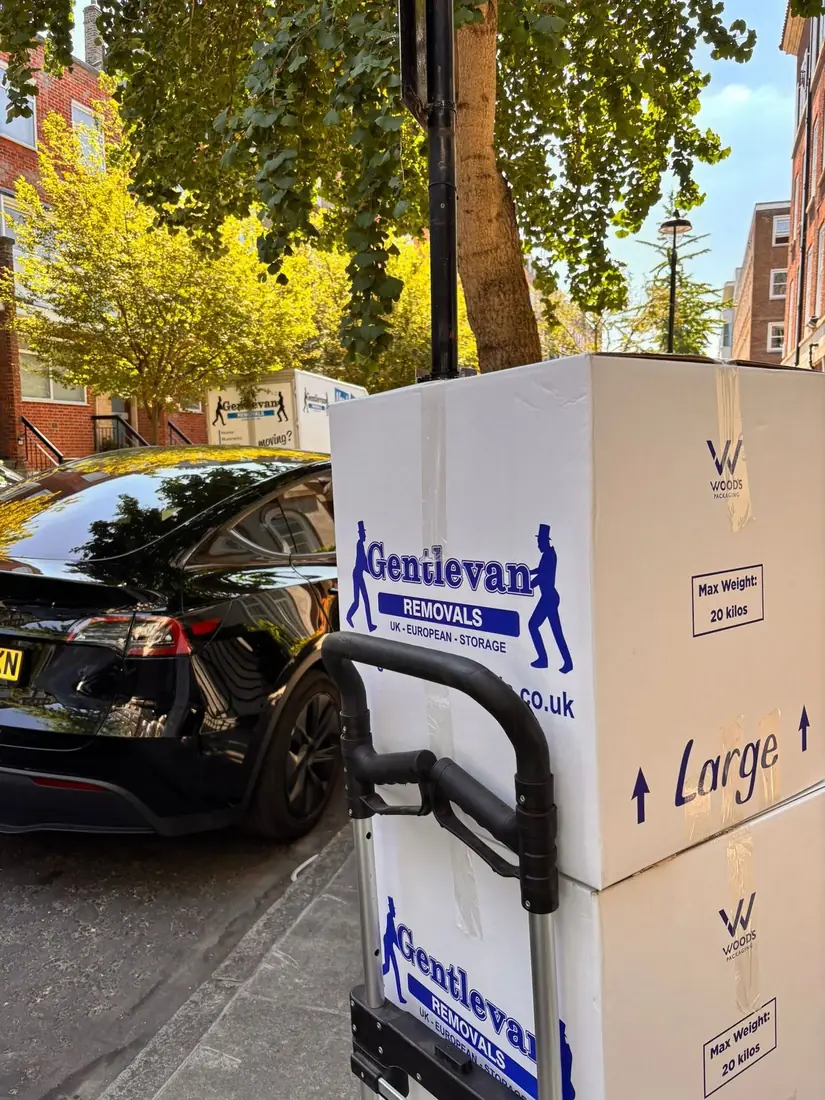
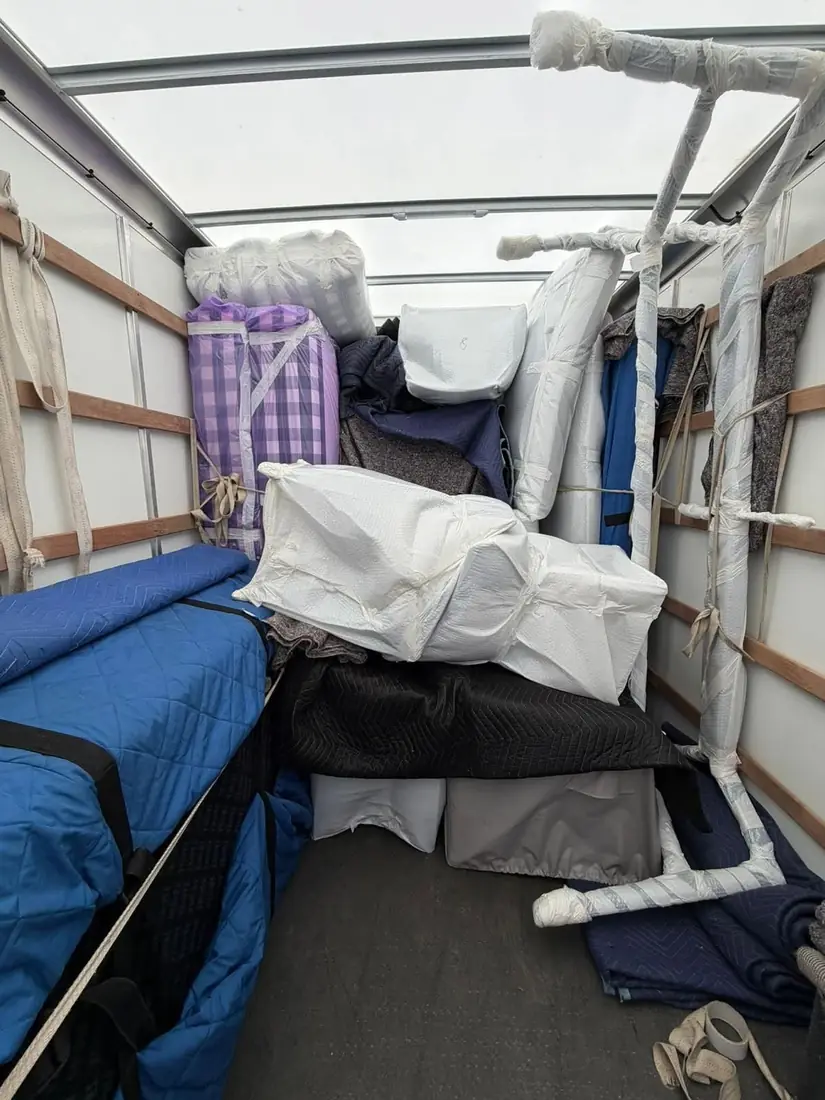
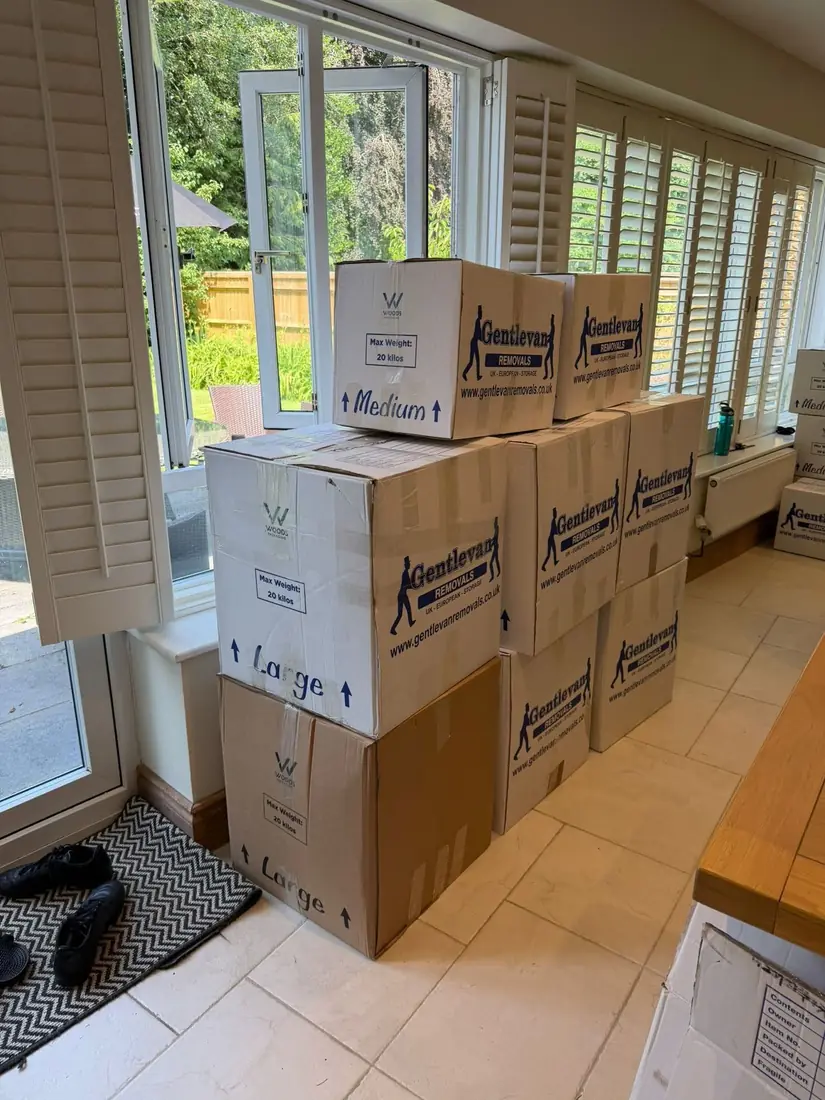
This is where a professional removals partner makes life easier. Gentlevan Removals provides tailored house removals from the UK
to France, including packing, storage, and transport. We can help you create an inventory for customs, plan the timing around
your visa start date, and ensure your possessions arrive safely at your new address.
With the right visa, good preparation, and reliable logistical support, your long-stay in France can be the start of a truly
life-changing chapter.
Living, Working, and Settling Into French Life
Those planning to work in France should prepare for a competitive job market—especially for English-only speakers—though roles
in hospitality, tourism and English teaching remain accessible.
Living costs can vary significantly: while Paris is one of Europe’s most expensive cities, areas such as Strasbourg, Normandy
and parts of the south offer more affordable alternatives. Deciding whether to rent or buy depends on your long-term plans, but
many expats start by renting because of market competition and seasonal demand.
Daily life in France brings many advantages: generous holiday allowances, excellent transport networks, fresh local markets and
a strong emphasis on family and leisure time. However, challenges such as language barriers, older housing stock and
administrative processes are common. Preparing early, learning basic French and setting realistic expectations can make settling
in much smoother.
Transporting your belongings is another key part of the relocation process. Because the UK is now outside the EU, customs
requirements apply, including inventory lists, proof of ownership and a non-cession certificate for tax-free import of household
goods. A professional international removals company—such as Gentlevan Removals—can manage these formalities for you, ensuring
your belongings arrive safely and stress-free.